TuffStudds
Drag to explore

A new frontier in wear solutions

Chromium carbide wear studs that combine abrasion resistance with light-to-moderate impact resistance

Contact Sales

How TuffStudds work

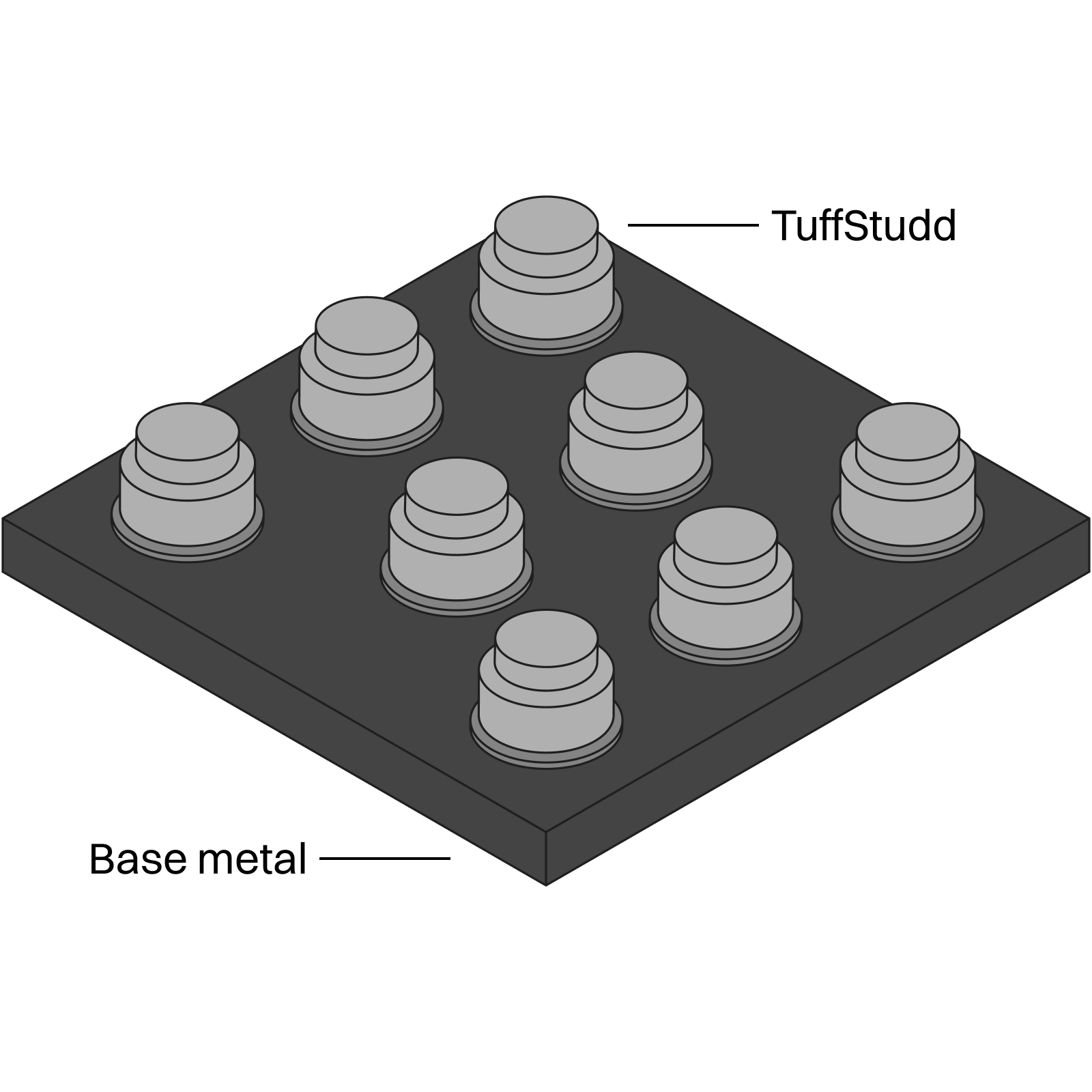
A TuffStudd welded to the base metal

01.Pattern coverage

Tuffstudds are stud welded across roughly 30% of the metal surface, leaving engineered gaps.

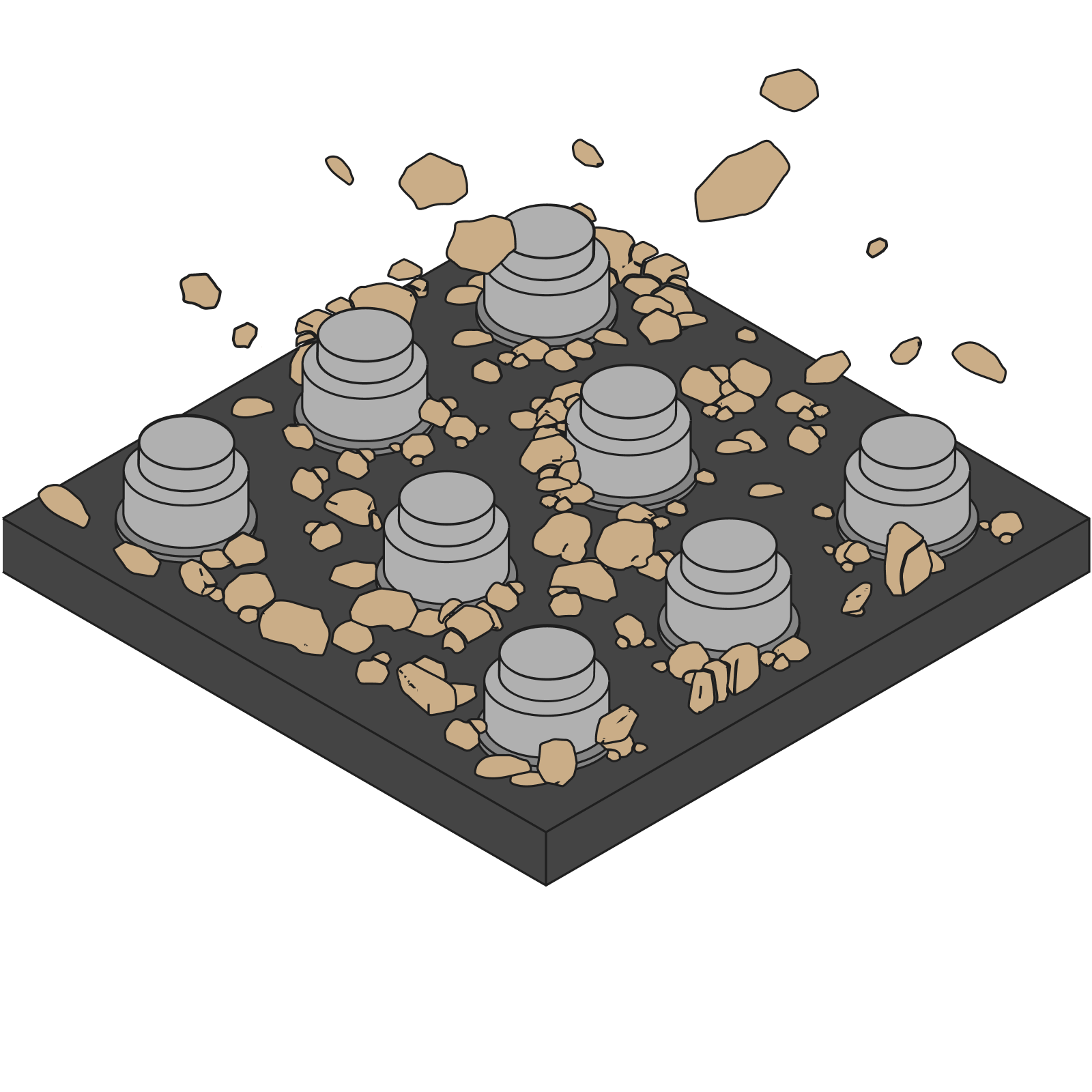
Material debris settling into the gaps between TuffStudds during operation

02.Material trapping

Mineral debris accumulates and settles into these open spaces during operation.
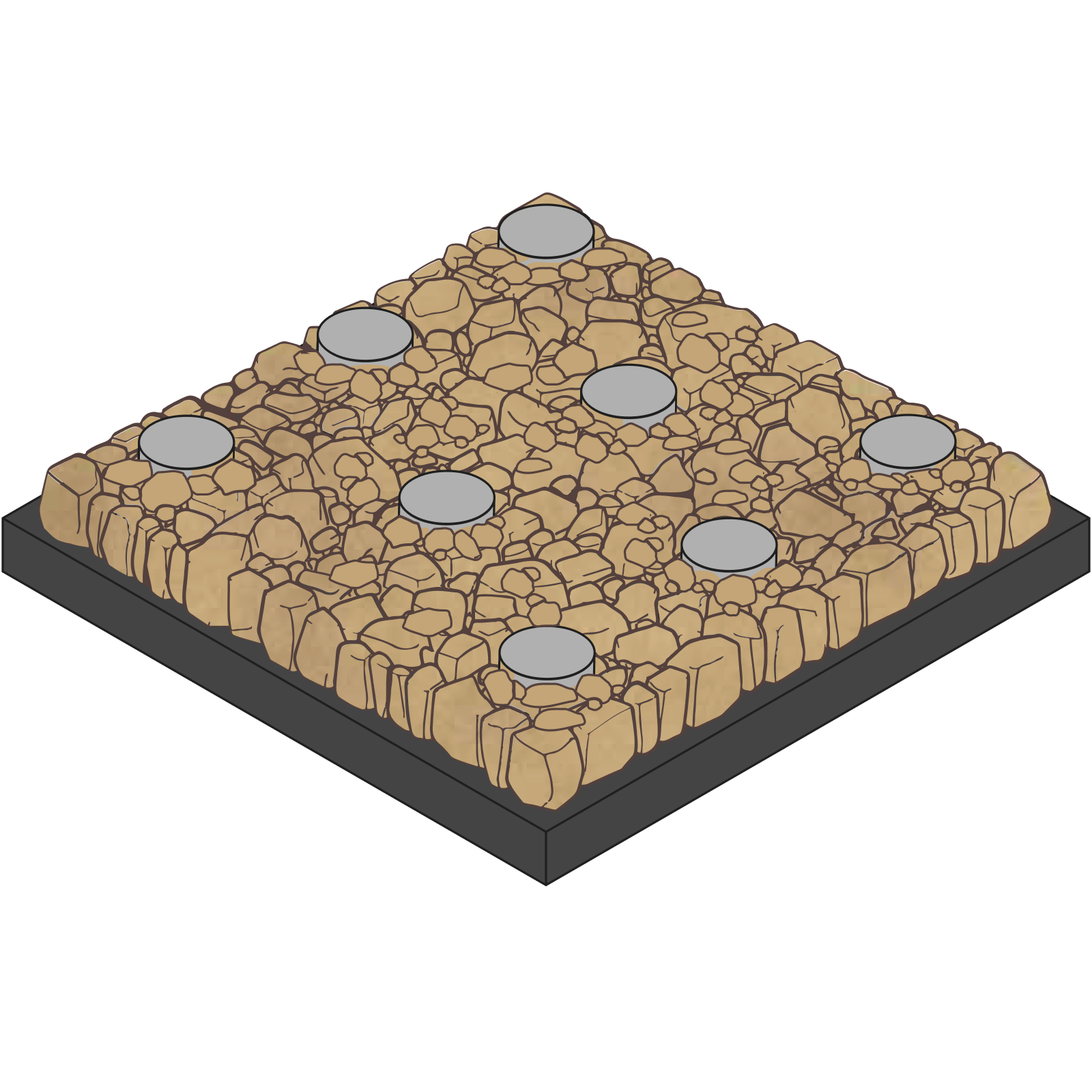
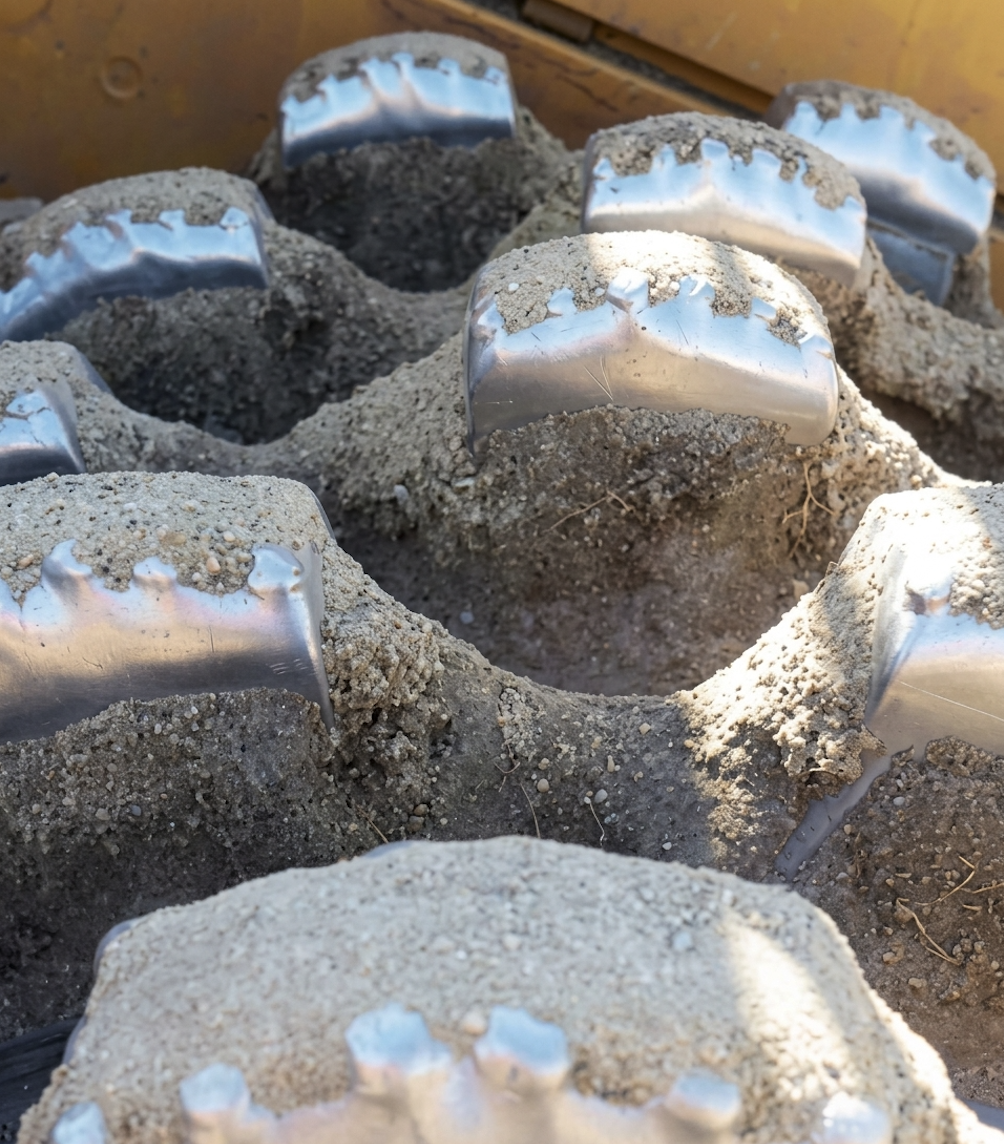
A protective dead bed of trapped material formed over the base metal

03.The "dead bed" effect

Trapped material forms a stagnant layer (the dead bed) over 70% of the area, allowing material to wear on itself.

TuffStudds vs.

TuffStudds
Hardfacing
Weight
Moderate
Sits between hardfacing and wear plates at 30.0 kg/m², requiring only ~30% surface coverage to create a "dead bed" effect
Low
A thin overlay on high wear zones offers little alloy to last under heavy abrasion
Durability
High
Lasts up to 3x longer than conventional hardfacing
Moderate
Solid protection, but subject to rapid washing out under extreme sliding abrasion
Deposit efficiency
High · 100%
Studs welded with near-zero material waste
Low · 60-70%
High spatter, slag creation, and stub loss during manual stick or wire welding
Sustainability
High
Near-zero material waste
Low
30-40% material waste
Heat input
Low
0.6–1.2s arc time per weld cycle delivers minimal heat, minimizing base metal stress
High
Extended arc time transfers massive thermal energy, causing base metal stress, warping, and cracking
Positional capability
High
Applicable in all welding positions: flat, horizontal, vertical, and overhead
High
Applicable in most welding positions with a skilled operator
Labour needs
Low
Applied using stud welding, a very low-skill process
High
Requires skilled welders throughout the application
Downtime
Low
Ultra-fast application (up to 0.40 m²/hr) with localized repair allows rapid return to service
High
Application and cooling cycles keep equipment out of service for extended periods
Reapplication effort
Low
New studs are restudded on top or in between old worn-out studs
High
Buildup, dilution, and base metal stress complicate repeat overlays

See TuffStudds in action

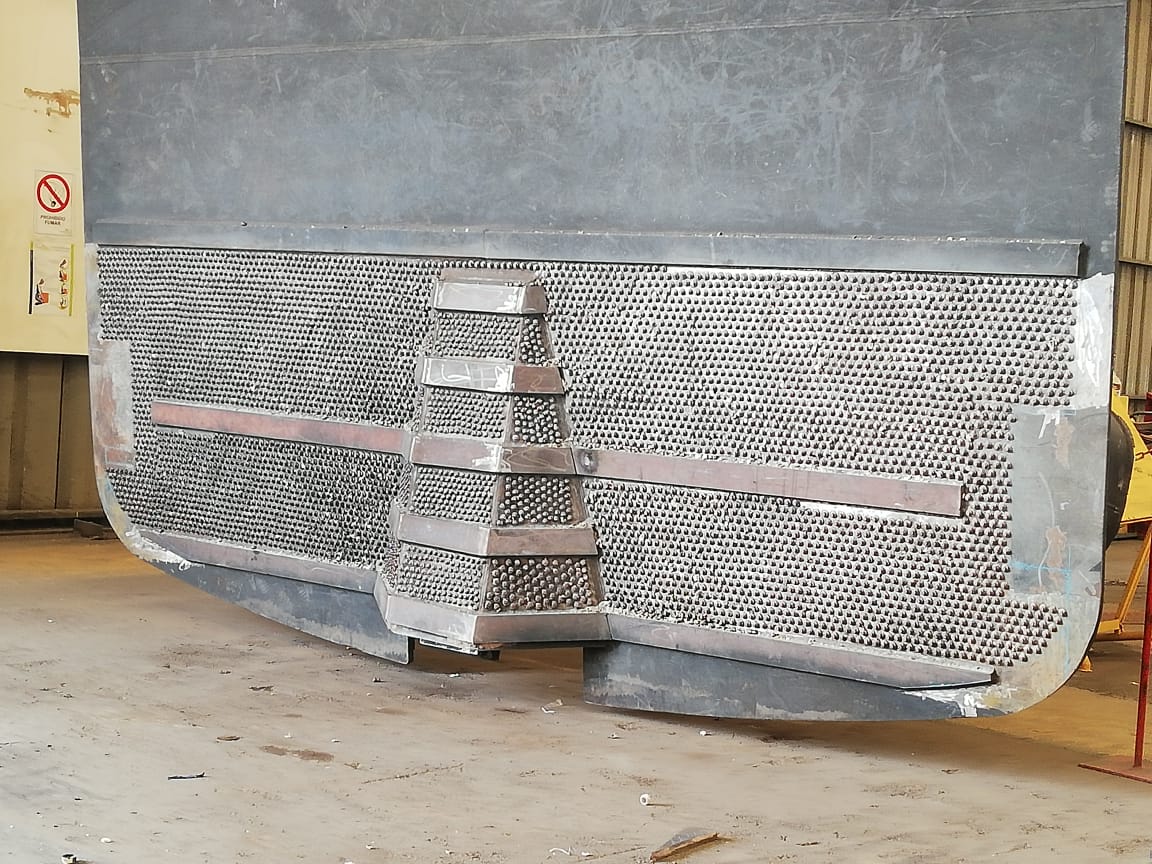
CAT 7495 bucket door fitted with TuffStudds
CAT 7495 bucket door runs 90% lighter with TuffStudds.
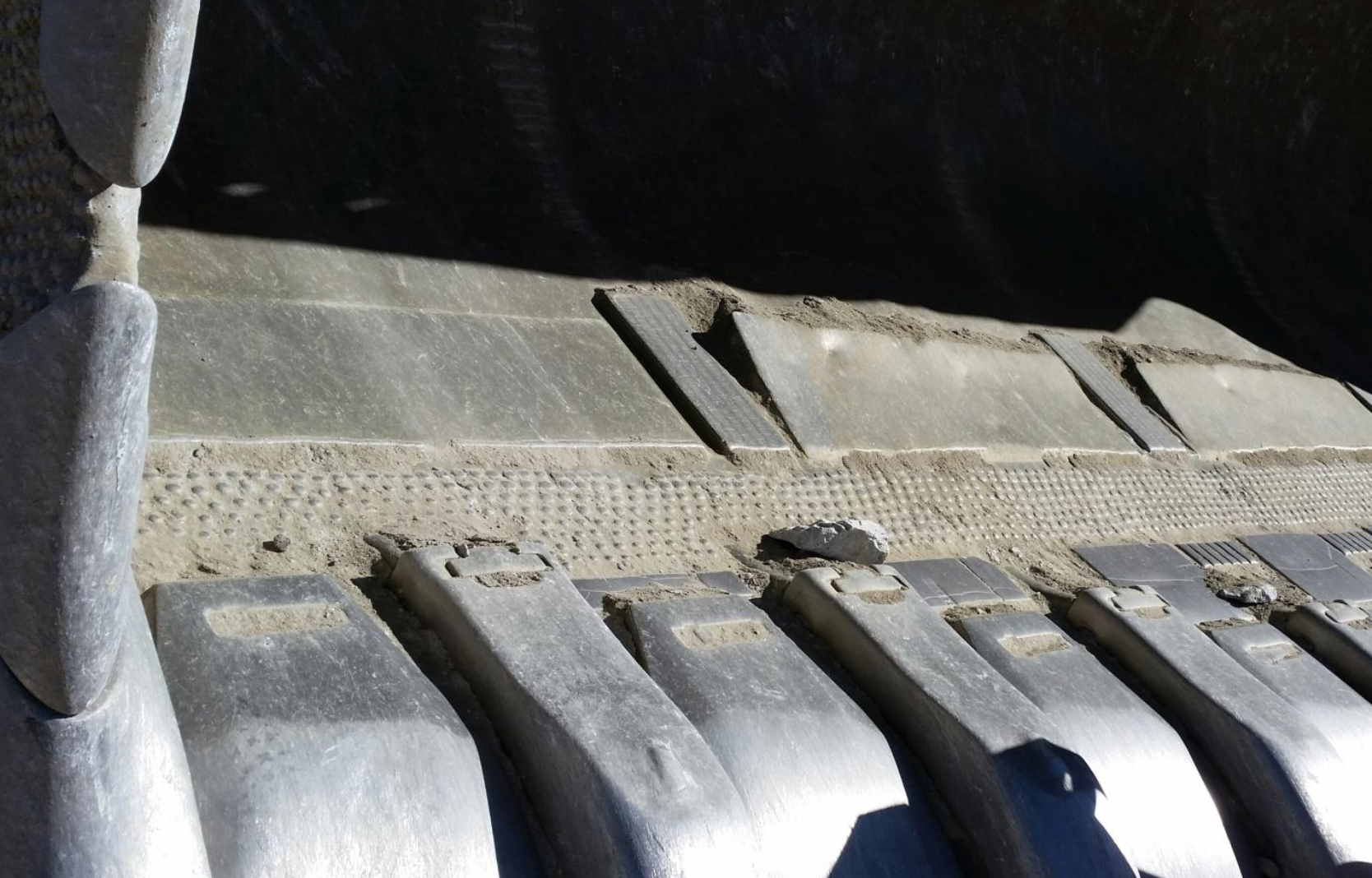
LeTourneau L1850 wheel loader fitted with TuffStudds
Internal gyratory wear liners featuring a TuffStudds system to maximize wear resistance.
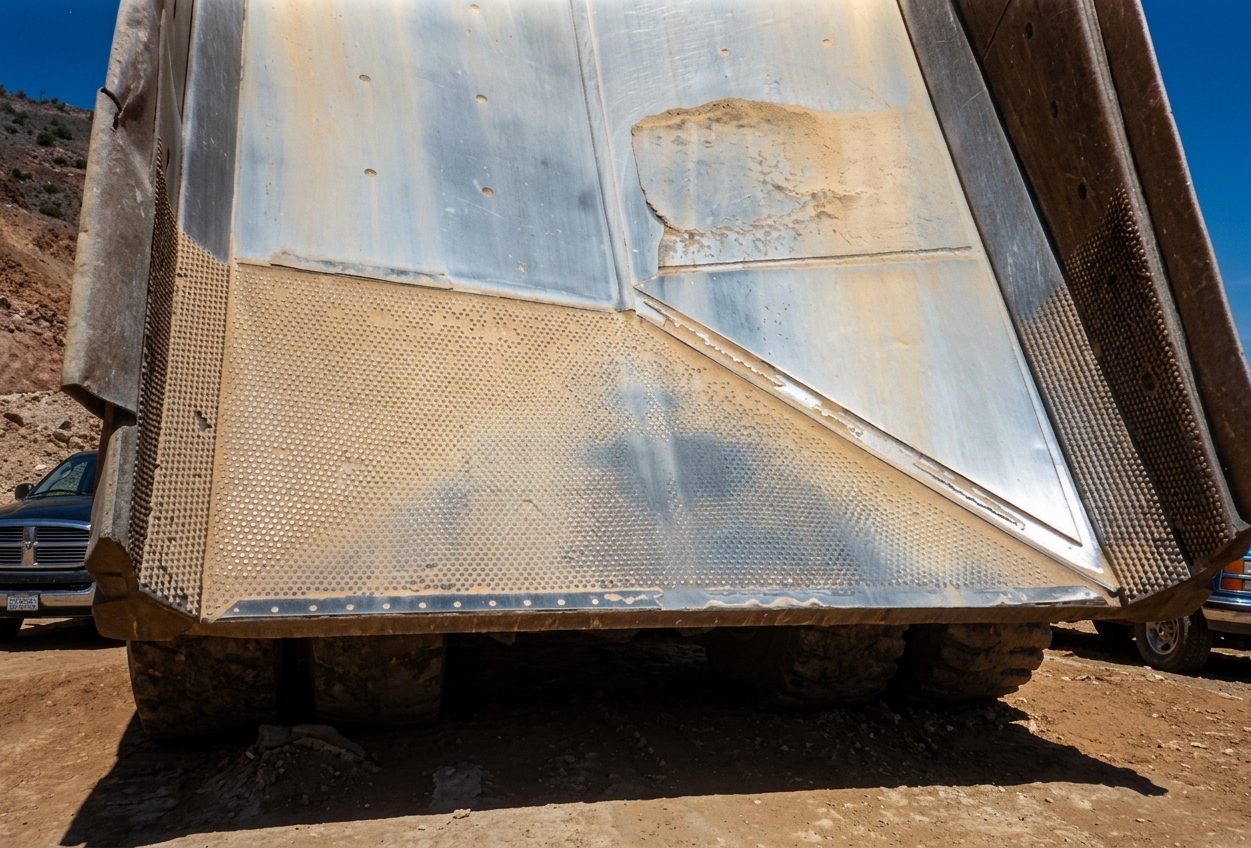
Haul truck tray fitted with TuffStudds
TuffStudds cut 3,150 lbs of dead weight from a haul truck body over 13,500 hours, boosting payload capacity.
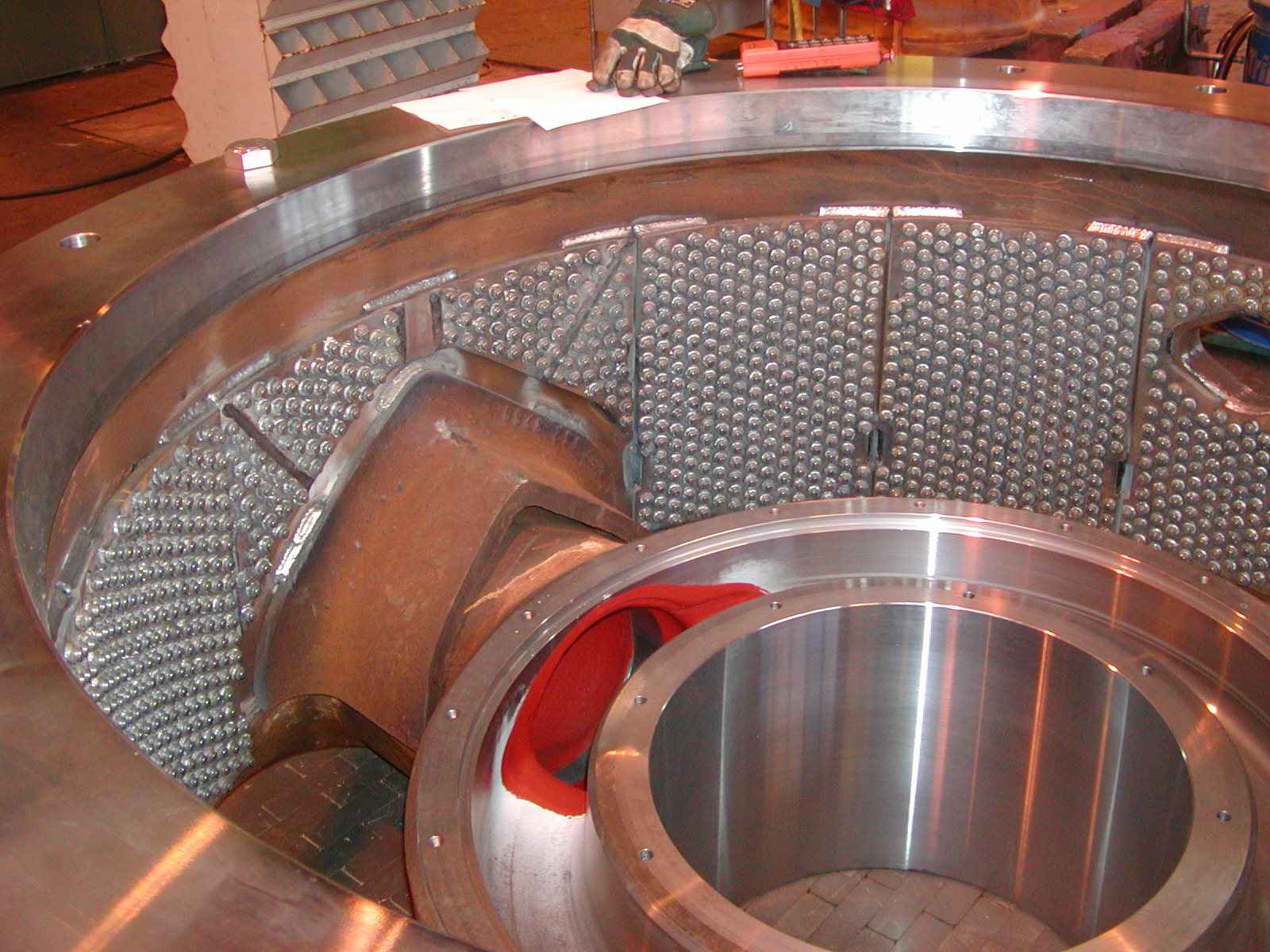
Gyratory crusher liner plates fitted with TuffStudds
Gyratory crusher liner plates fitted with TuffStudds to protect against abrasion and impact resistance.
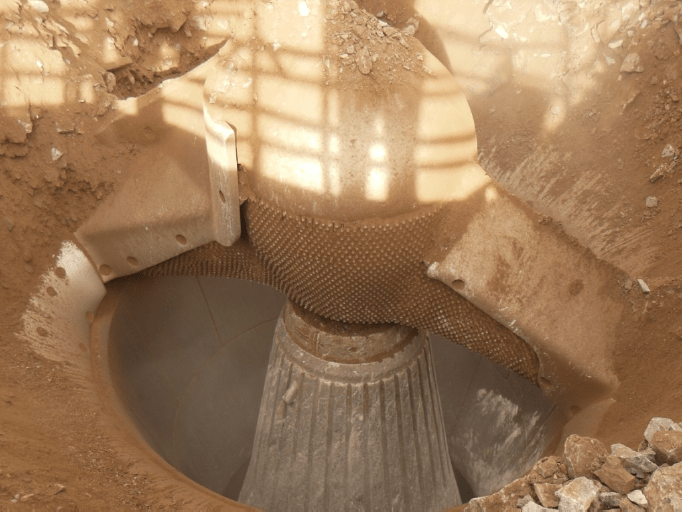
Primary gyratory crusher spider arm fitted with TuffStudds
Primary gyratory crusher spider arm protected with TuffStudds.
CAT 815 compactor caps fitted with TuffStudds
CAT 815 compactor caps with TuffStudds create a protective dead-bed layer.
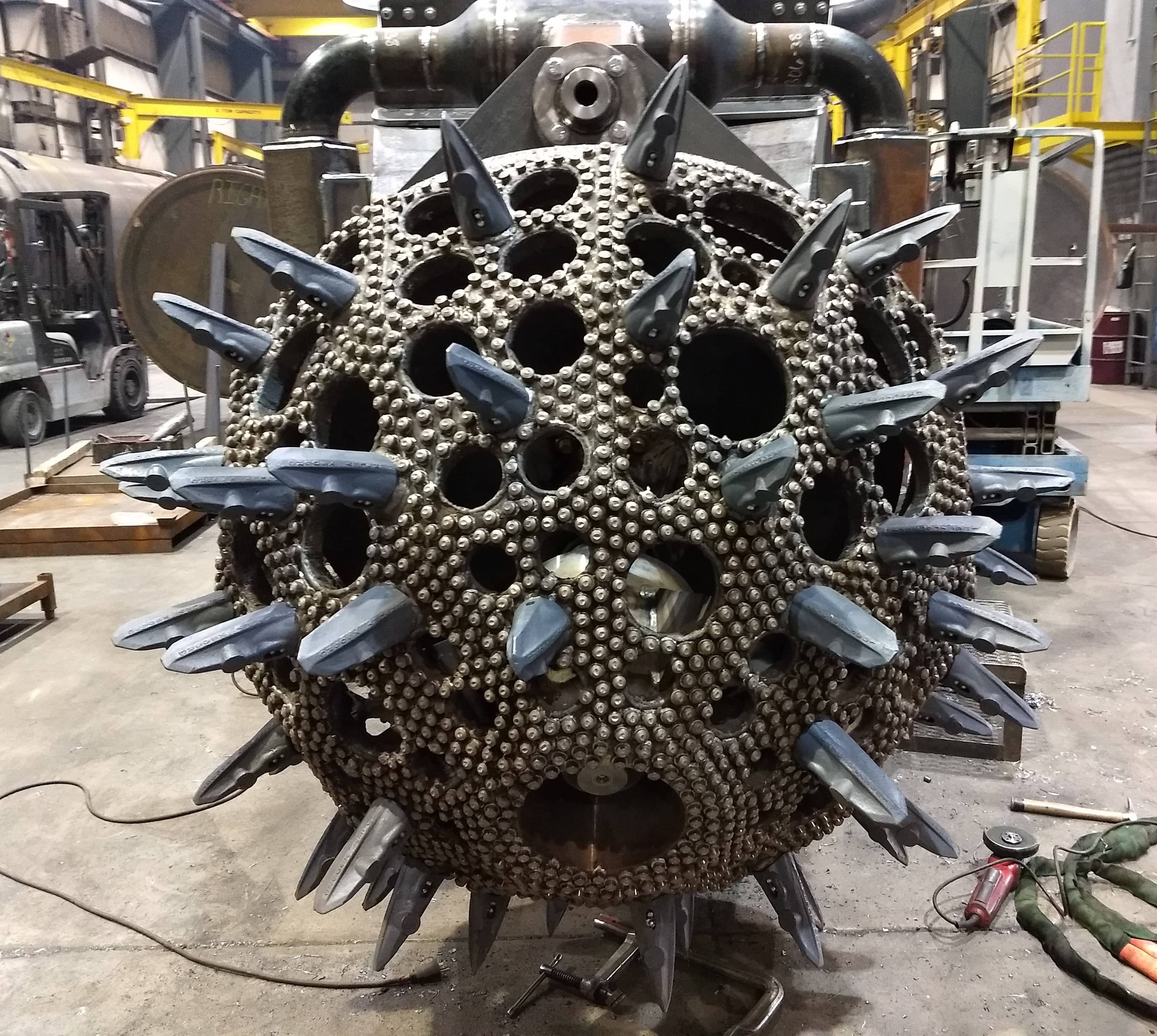
Twinkle Co rotary cutter basket fitted with TuffStudds
Twinkle Co rotary cutter surpassed 1,000 hours in clay dredging with TuffStudds.
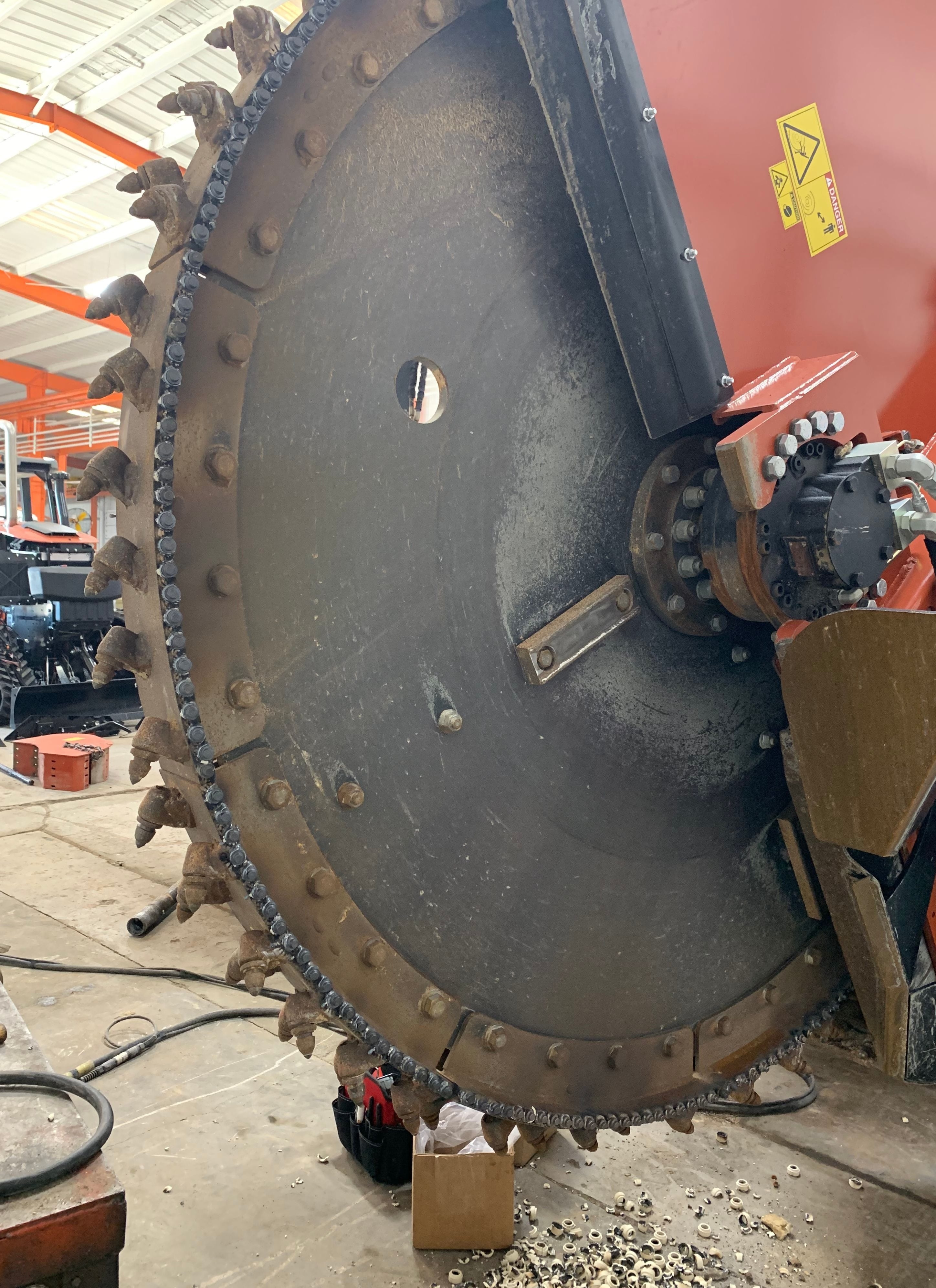
Ditch Witch cutter wheel fitted with TuffStudds
TuffStudds on a Ditch Witch cutter wheel outlast hardfacing 4x.
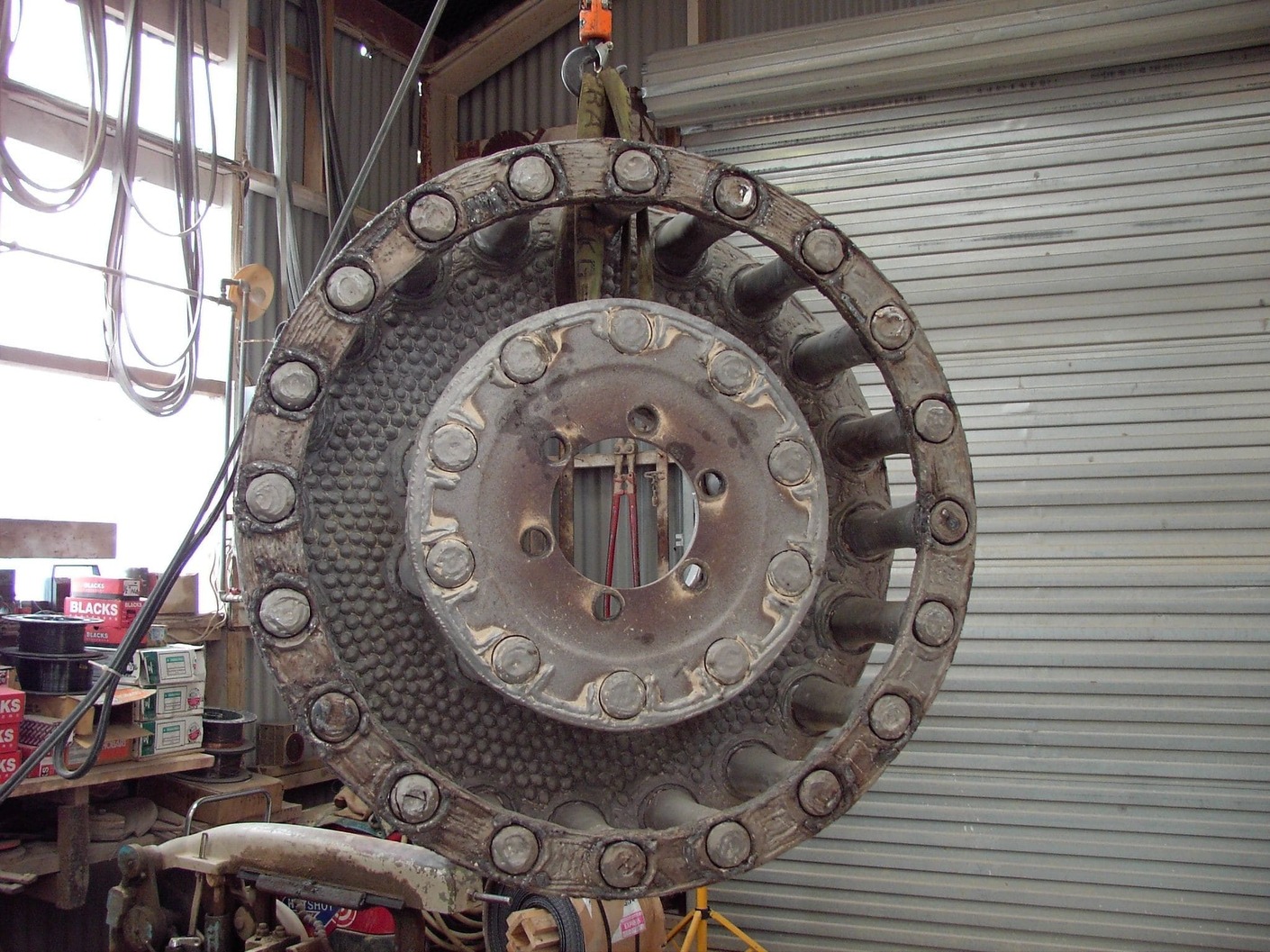
Cage mill rotor fitted with TuffStudds
Cage mill rotor fitted with TuffStudds for maximum wear protection.
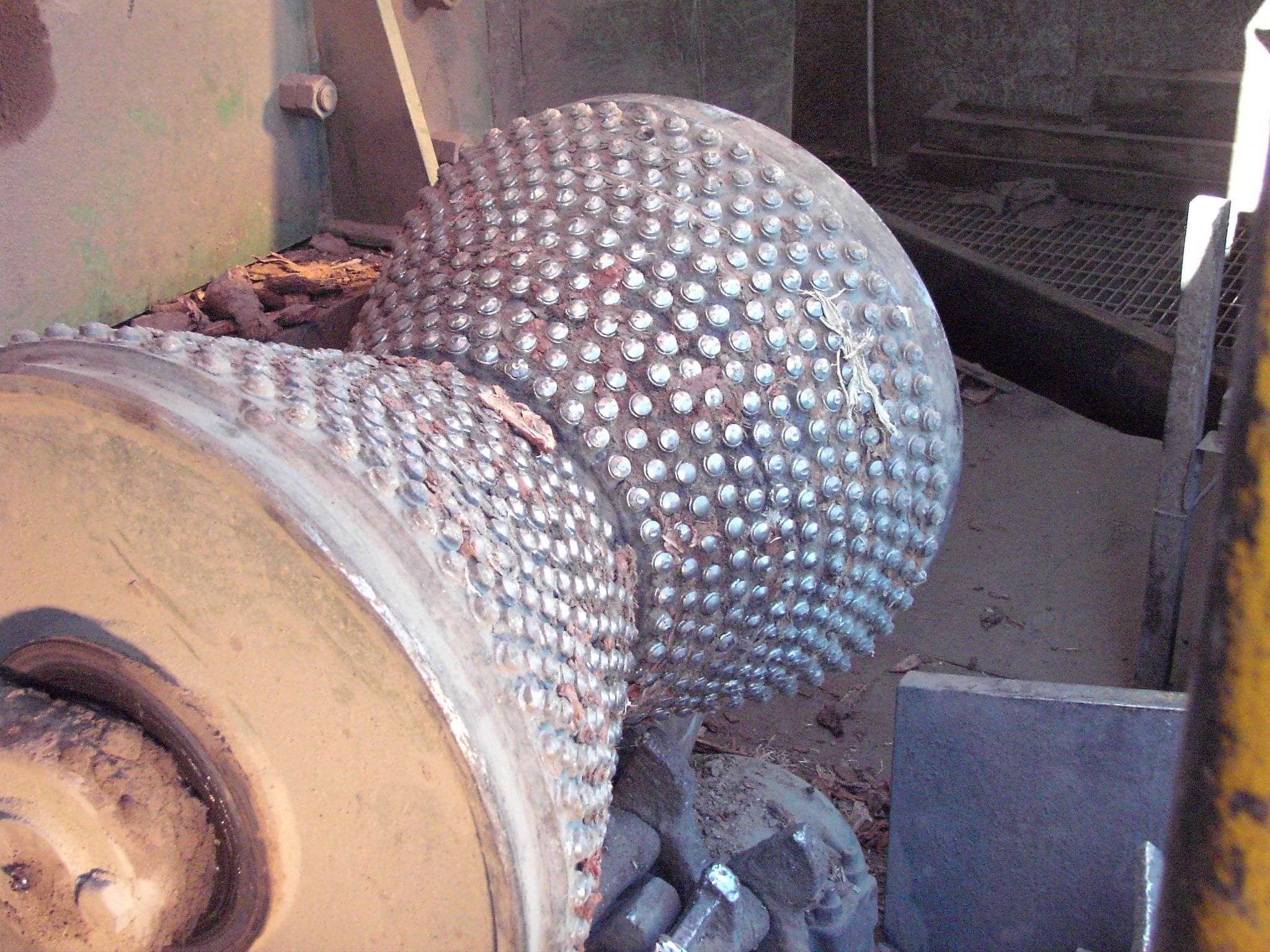
Debarker feed roll fitted with Spike Series TuffStudds
Spike Series TuffStudds on a debarker feed roll maintain aggressive bark grip.
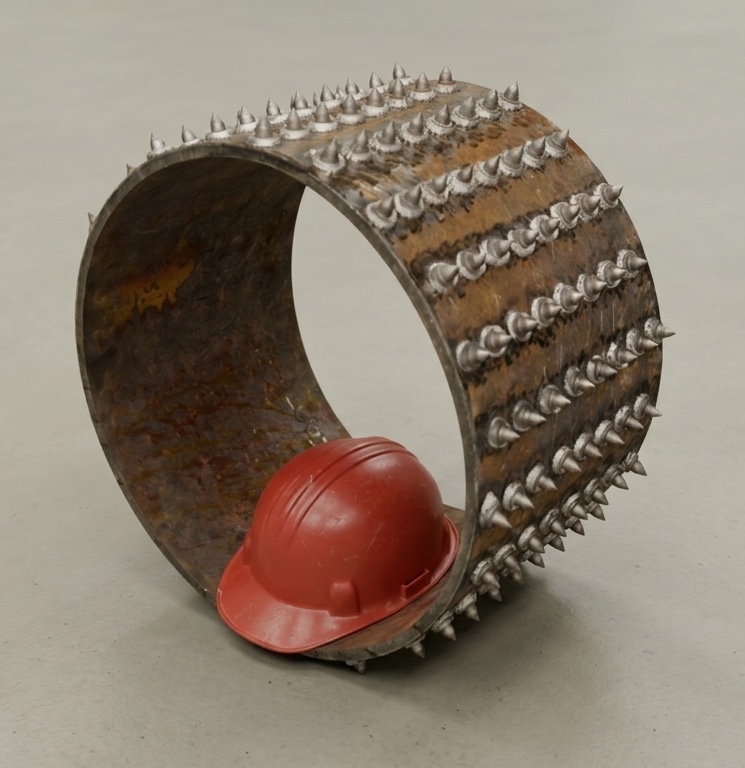
Feed rollers fitted with Spike Series TuffStudds after heavy use
Spike Series TuffStudds on feed rollers after heavy use.

Ready to get started with TuffStudds?

Contact our sales experts and we will spec the best Tuffstudds for your application.

Contact Sales